
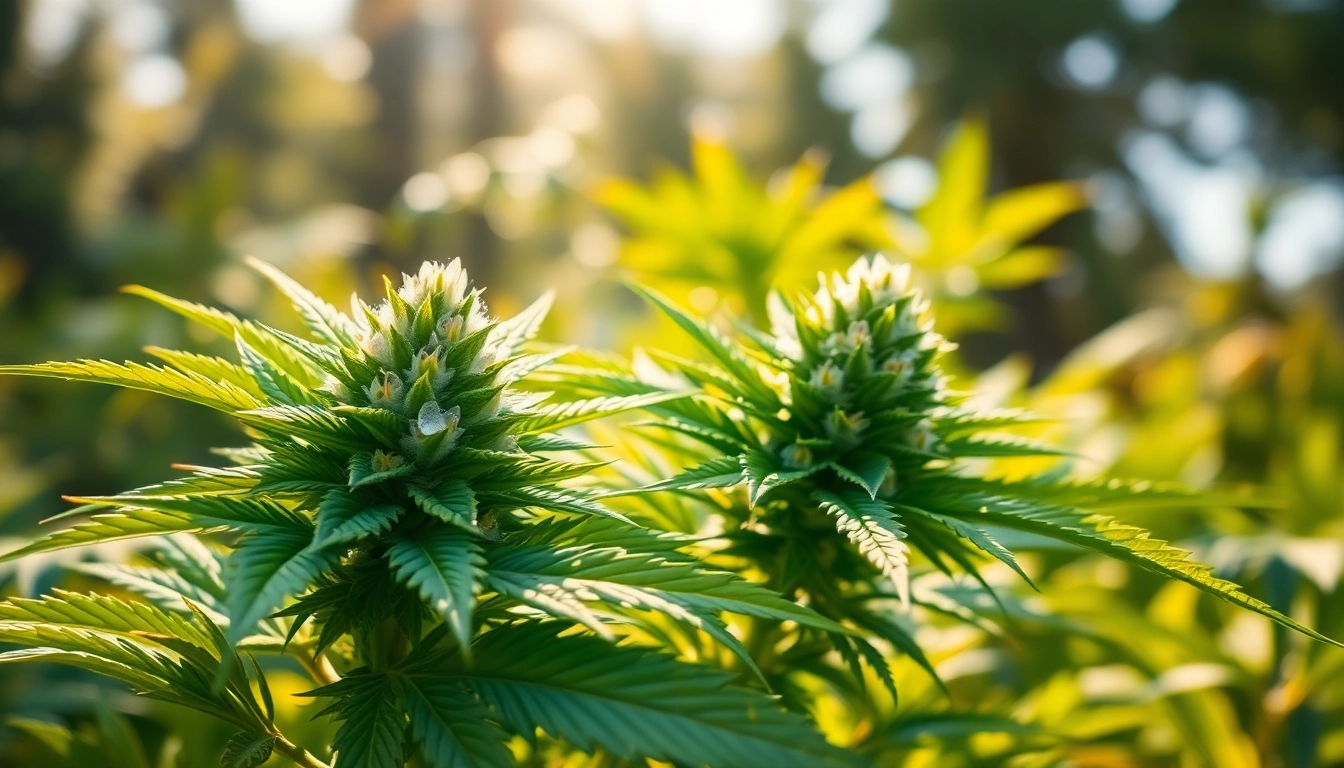
Understanding Delta 8 THC
What is Delta 8 THC?
Delta 8 THC, or Delta-8-tetrahydrocannabinol, is a cannabinoid derived from the hemp plant. It shares a chemical structure with Delta 9 THC, the well-known psychoactive component found in cannabis. The primary difference between the two lies in the positioning of a double bond in their chemical structure, which leads to distinct effects. Delta 8 THC has gained attention for producing a more mellow, less anxious high compared to its Delta 9 counterpart, making it appealing to many users seeking relief without the intensity of traditional marijuana. Unlike Delta 9 THC, which is federally regulated, Delta 8 THC exists in a legal gray area due to its extraction from hemp, which was legalized under the 2018 Farm Bill.
How Does Delta 8 THC Differ from Delta 9 THC?
While Delta 8 THC and Delta 9 THC are closely related, their effects can significantly differ. Users often report that Delta 8 provides a smoother, more clear-headed experience compared to the sometimes overwhelming euphoria associated with Delta 9. This variance is largely attributed to the lesser potency of Delta 8 THC, which generally results in a milder psychoactive effect. Additionally, Delta 8's interaction with cannabinoid receptors in the body may lead to reduced anxiety and paranoia, making it a potential choice for those who are sensitive to these side effects when consuming traditional cannabis. Moreover, while Delta 9 is well-known for its legalization challenges across many states, Delta 8 THC benefits from being less regulated, often leading to a broader availability in various products.
Legal Status and Regulations
The legal status of Delta 8 THC varies considerably across the United States. Under the 2018 Farm Bill, hemp-derived products are federally legal, as long as they contain less than 0.3% Delta 9 THC. This has effectively allowed Delta 8 THC products to enter the market in many states. However, evolving regulations mean that the legality can shift. Some states have explicitly banned Delta 8 THC, while others still permit it. It is crucial for consumers to research their local laws before purchasing or consuming Delta 8 THC products. Always Delta 8 THC in accordance with state regulations to avoid legal complications.
Potential Health Benefits of Delta 8 THC
Relief from Anxiety and Stress
One of the potential advantages of Delta 8 THC is its ability to relieve anxiety and stress. Many users report feeling a sense of calm and relaxation upon consumption. Research suggests that cannabinoids can interact with the endocannabinoid system and modulate stress responses. While definitive clinical data specific to Delta 8 THC's anxiolytic effects is still emerging, anecdotal evidence from users indicates it may provide a more favorable experience than Delta 9 THC, particularly for those who experience anxiety from standard cannabis use.
Impact on Pain Management
Delta 8 THC may also play a role in pain management. Its interaction with cannabinoid receptors might help inhibit pain signals and reduce inflammation, potentially offering relief to those suffering from chronic pain conditions. Some studies have indicated that THC, in general, can be effective for various types of pain, including neuropathic and inflammatory pain. As such, Delta 8 THC may present a valuable option for individuals seeking pain relief without the potent effects or side effects associated with Delta 9 THC.
Potential Neuroprotective Properties
Emerging research into Delta 8 THC suggests that it may possess neuroprotective properties, which could have implications for managing neurodegenerative diseases such as Alzheimer’s and Parkinson’s. Studies indicate that cannabinoids can help protect neurons from damage, reduce inflammation, and promote neurogenesis. The ability of Delta 8 THC to potentially aid in cognitive function and memory retention is an exciting area of investigation, warranting further study to fully understand its capabilities.
Ways to Consume Delta 8 THC
Vaping and Smoking Options
Vaping and smoking are popular methods for consuming Delta 8 THC. Vaping, in particular, allows for quick onset effects, making it a favored choice for those looking for immediate relief. Various products are available, including vape cartridges and disposable pens that contain Delta 8 distillate. Smoking Delta 8 pre-rolls or flower is another avenue, offering traditional cannabis experiences enhanced by the unique effects of Delta 8 THC. Users should be cautious about sourcing these products from reputable suppliers to ensure quality and safety.
Edibles and Tinctures
Edibles and tinctures present alternative methods for those who prefer not to inhale. Delta 8 THC-infused edibles, such as gummies and chocolates, offer a discreet way to experience its effects and can provide longer-lasting relief due to the slower digestion process. Tinctures, which are typically taken sublingually, allow for precise dosing and can be taken directly or added to food and beverages. Understanding personal preferences and desired effects can guide consumers in selecting the best consumption method.
Choosing the Right Product for You
Selecting the right Delta 8 THC product depends on individual needs, preferences, and sensitivity to cannabinoids. Factors to consider include the desired effect (for relaxation or pain relief), the method of consumption (vape, edible, tincture), and dosage requirements. Beginners should start with lower doses and gradually adjust based on their reaction. Consulting with knowledgeable retailers or healthcare providers can also help in making informed choices to enhance the experience while prioritizing safety.
Safety and Side Effects of Delta 8 THC
Common Side Effects to Be Aware Of
While Delta 8 THC is generally well-tolerated, some users may experience side effects. Common effects may include dry mouth, red eyes, temporary memory loss, and increased heart rate. It's crucial for users to be mindful of their reactions, especially those new to cannabinoids. Starting with a low dose can help mitigate potential adverse effects and build tolerance gradually.
Interactions with Other Substances
Delta 8 THC may interact with other medications or substances, which is essential to consider prior to use. Those on prescription medications, particularly sedatives or anticoagulants, should consult with a healthcare provider to discuss potential interactions. Furthermore, combining Delta 8 THC with alcohol or other drugs can amplify effects and lead to unexpected outcomes. Ensuring a safe environment while experimenting with dosage or combined substances can help in managing experiences effectively.
Consulting Healthcare Professionals
Engaging with a healthcare professional before using Delta 8 THC is advisable, especially for individuals with existing health concerns or those taking other medications. Healthcare providers can provide personalized recommendations based on individual health history and conditions. This consultation can also assist consumers in understanding the legality and safety of Delta 8 THC in their specific context, ensuring a well-informed approach to use.
Frequently Asked Questions about Delta 8 THC
What is Delta 8 THC's legal status?
Delta 8 THC's legality varies by state due to its classification under hemp laws. Always check local regulations to ensure compliance.
Is Delta 8 THC safe for consumption?
When sourced from reputable manufacturers, Delta 8 THC is generally considered safe. However, consult your doctor before use to discuss personal health needs.
How does Delta 8 THC affect mood?
Delta 8 THC users often report feelings of euphoria and relaxation, which can be milder than Delta 9 THC. Individual experiences may vary.
Can Delta 8 THC be taken daily?
Some individuals may use Delta 8 THC daily. Finding the right dosage and discussing usage with a healthcare provider is crucial for safety.
Are there age restrictions for Delta 8 THC?
Generally, consumers must be 21 or older to purchase Delta 8 THC products. Verify local laws for specific age restrictions.