
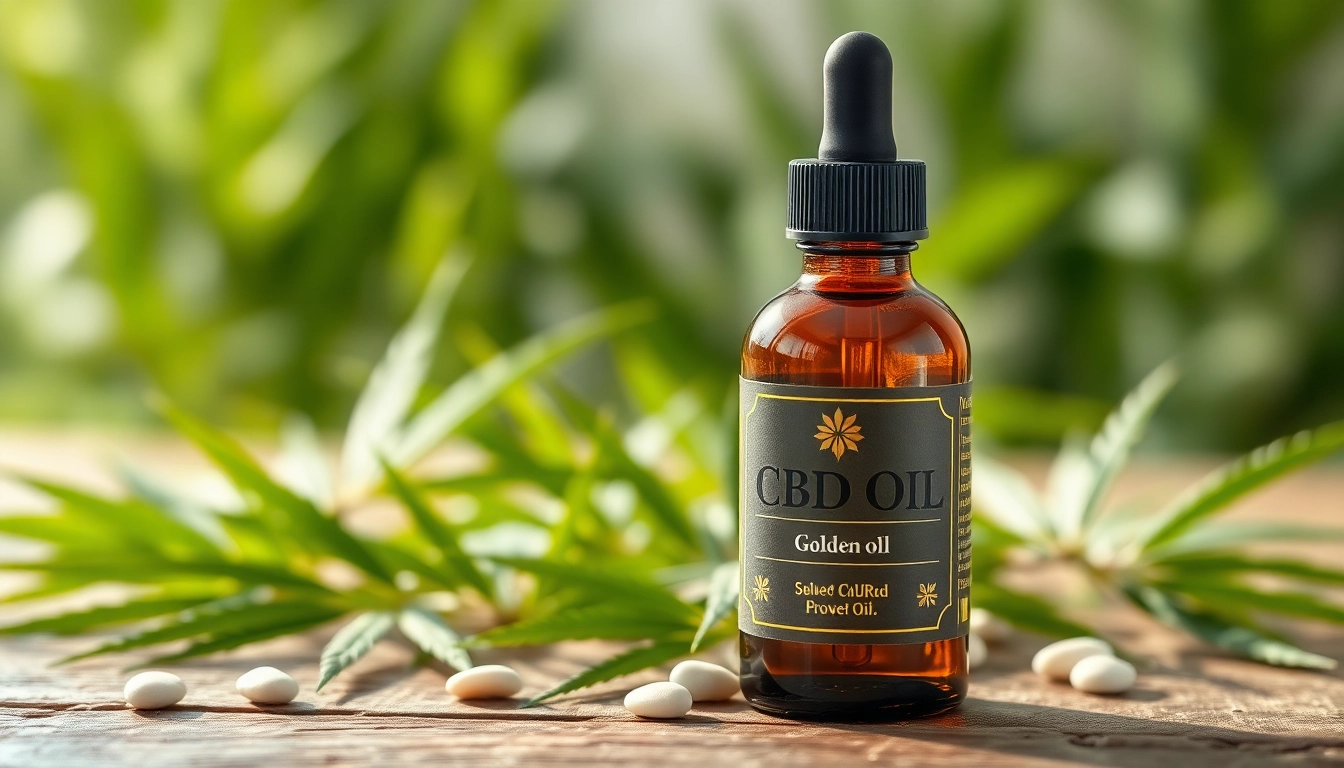
Understanding CBD Oil: What You Need to Know
What is CBD Oil?
Cannabidiol, commonly known as CBD, is a naturally occurring compound found in the resinous flower of cannabis, a plant with a rich history for medical and recreational use. Unlike its more famous cousin tetrahydrocannabinol (THC), CBD does not produce a psychoactive effect, meaning it does not cause the high commonly associated with marijuana. This characteristic has made CBD a popular choice among those seeking an alternative to traditional pharmaceuticals for managing pain, anxiety, and other health issues.
CBD oil is extracted from the cannabis plant and typically mixed with a carrier oil, such as coconut oil or hemp seed oil. The version of CBD oil can vary significantly, including full-spectrum, broad-spectrum, and isolate formulations, each offering different benefits and effects. For a comprehensive understanding, you can explore more about CBD Oil CBD Oil.
How CBD Oil is Extracted
The extraction process is crucial in determining the quality and efficacy of CBD oil. Several methods are commonly employed, including:
- CO2 Extraction: This method uses carbon dioxide under high pressure to extract CBD without using any harmful solvents. It is considered one of the safest and most efficient extraction methods, preserving the plant's essential compounds.
- Solvent Extraction: While effective, this method uses solvents like ethanol or butane, which may leave behind residues. Care must be taken during purification to ensure safety.
- Olive Oil Extraction: A simpler and safer method that involves heating the cannabis plant in olive oil. While effective, this method produces a lower yield compared to the other methods and has a shorter shelf life.
Each extraction method impacts the final product's purity, concentration, and therapeutic properties, influencing user experience and health outcomes.
The Legal Status of CBD Oil
The legal status of CBD oil varies widely across regions and is primarily dictated by the source of the CBD. In many places, CBD extracted from hemp plants (which contain less than 0.3% THC) is legal, while CBD derived from marijuana plants may still be restricted. As legislation continues to evolve, it is essential for consumers to stay informed about the regulations governing CBD in their area so they can make educated decisions about their purchases.
Health Benefits of CBD Oil
Managing Pain and Inflammation with CBD Oil
CBD oil has gained popularity for its potential to alleviate chronic pain and reduce inflammation. Studies have shown that it interacts with the endocannabinoid system—a network of receptors that help regulate various bodily functions, including pain sensation and immune response. By modulating these signals, CBD may help reduce discomfort associated with conditions like arthritis, fibromyalgia, and multiple sclerosis.
In practical terms, users have reported significant improvements in pain management and overall quality of life when incorporating CBD oil into their treatment regimens. For individuals considering this avenue, it's advisable to consult with healthcare professionals for guidance on dosages and potential interactions with other medications.
Reducing Anxiety and Stress through CBD Oil
Anxiety and stress have become pervasive issues in modern society, affecting millions of people globally. CBD oil has emerged as a potential natural remedy, with research suggesting its effectiveness in reducing anxiety symptoms. Some studies indicate that CBD may have the potential to alter brain receptor responses to serotonin, a neurotransmitter linked to mood regulation.
Furthermore, anecdotal evidence suggests that users experience calming effects, improved mood, and a decrease in anxiety-induced symptoms when using CBD oil. Incorporating this into one’s daily routine can be a step toward managing stress for many individuals.
Enhancing Sleep Quality using CBD Oil
Sleep disturbances, including insomnia, have been shown to benefit from CBD oil. The compound may assist in improving sleep quality and duration by alleviating anxiety and promoting relaxation. Some users report that taking CBD oil before bedtime helps them fall asleep faster and wake up less frequently throughout the night.
Additionally, research has indicated that CBD could influence the sleep-wake cycle, resulting in an overall better sleep experience. For individuals struggling with sleep issues, establishing a routine that includes CBD oil may offer a holistic approach to enhancing their sleep quality.
How to Use CBD Oil Effectively
Dosage Guidelines for CBD Oil
Finding the right dosage of CBD oil is crucial for maximizing its benefits. While ideal dosages can vary based on factors like body weight, the severity of conditions, and individual body chemistry, starting with a low dose and gradually increasing it is generally recommended. Many users find success starting with 10-20 mg, adjusting as needed for their circumstances.
Maintaining a consistent routine is essential, as the cumulative effects of CBD oil can yield better results. It's also vital to consult with healthcare providers to tailor a dosage plan that effectively addresses specific health concerns.
Best Methods of Consumption for CBD Oil
There are several popular methods of consuming CBD oil, and each offers unique benefits and considerations:
- Sublingual Tinctures: Placing drops of oil under the tongue allows for rapid absorption into the bloodstream, leading to quicker effects.
- Capsules and Edibles: Offering a more familiar method of consumption, capsules and edibles can be convenient but may take longer to metabolize before effects are felt.
- Topicals: CBD-infused lotions and balms can be applied directly to the skin, providing targeted relief for localized pain or inflammation.
- Vaping: Inhalation via a vape pen can produce immediate relief, but users should consider potential respiratory risks associated with this method.
Choosing the best method depends on personal preferences, desired speed of effect, and specific health goals.
Combining CBD Oil with Other Supplements
Many users choose to enhance their wellness regimen by combining CBD oil with other supplements, such as omega-3 fatty acids, magnesium, and vitamin D. These combinations may create synergistic effects, supporting overall health and wellness.
However, caution is crucial, as certain supplements may interact with CBD oil. Consulting with a healthcare professional can help navigate these combinations effectively, ensuring safety and optimized health benefits.
Potential Side Effects and Risks of CBD Oil
Common Side Effects of CBD Oil
While CBD oil is generally considered safe for most users, it can cause side effects in some instances. Common side effects include:
- Dry mouth
- Fatigue
- Changes in appetite
- Dizziness
These side effects are often mild and may diminish with continuous use. Users are encouraged to monitor their reactions and consult with healthcare providers should adverse effects arise.
Interactions with Medications and Other Considerations
As with any supplement, CBD oil may interact with certain medications, particularly those metabolized by the liver. These interactions can affect how medications are processed in the body, leading to adverse effects or reduced efficacy. Healthcare providers can help identify potential risks and guide safe usage.
Individuals undergoing surgery or taking blood-thinning medications should tread carefully and seek professional advice before using CBD oil.
Who Should Avoid CBD Oil?
Certain individuals may need to avoid CBD oil altogether, including those who:
- Are pregnant or breastfeeding
- Have a history of substance abuse
- Are taking medications that could interact adversely with CBD
Consulting with a healthcare provider is essential to evaluate personal health contexts and determine appropriate usage.
Choosing Quality CBD Oil Products
Key Factors to Consider when Selecting CBD Oil
Not all CBD oil products are created equal, making it essential to choose high-quality options. Key factors to consider include:
- Source of Hemp: Look for products derived from hemp grown in reputable regions, as quality can vary by source.
- Extraction Method: Opt for products that use safe extraction methods, such as CO2 extraction, to ensure purity.
- Third-Party Testing: Always check for lab results from independent third-party testing to verify strength and purity.
Importance of Third-Party Testing for CBD Oil
Third-party testing serves as a crucial verification step for consumers, providing transparency regarding product content and safety. Products that have undergone rigorous testing can assure users of their potency and lack of contaminants. Consumers should request or look for Certificates of Analysis (COA) that detail these results for peace of mind regarding quality.
Comparing Full-Spectrum and Isolate CBD Oil
When purchasing CBD oil, consumers will typically encounter two main types: full-spectrum and isolate. Full-spectrum CBD oil contains a range of cannabinoids and terpenes found in the cannabis plant, which may contribute to an entourage effect that enhances therapeutic benefits. In contrast, CBD isolate contains only pure CBD without other cannabinoids.
Ultimately, the choice between full-spectrum and isolate depends on personal preferences and health goals. Individuals seeking comprehensive benefits may favor full-spectrum products, while those wanting to avoid THC altogether might opt for isolates.