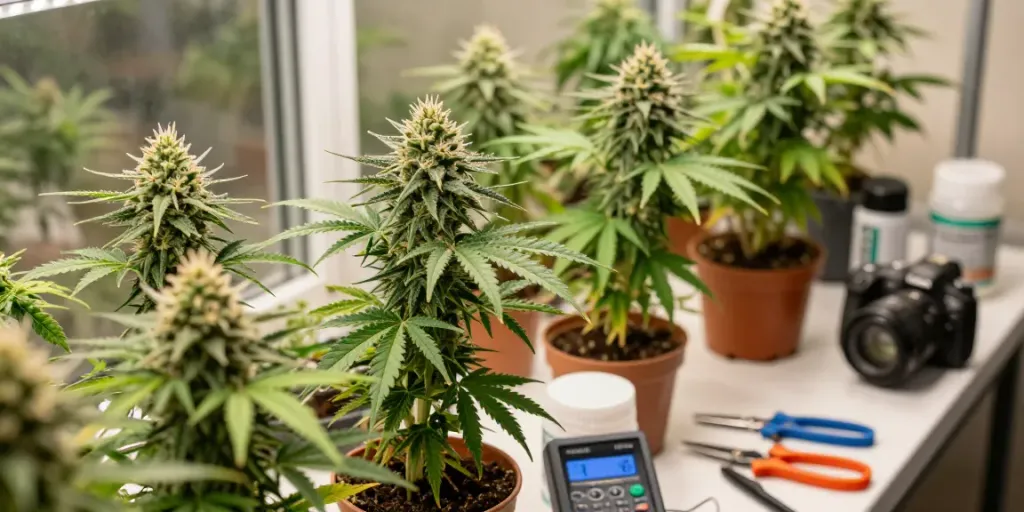
Understanding Feminised Cannabis Seeds
In the rapidly evolving world of cannabis cultivation, feminised cannabis seeds have become a cornerstone for growers, both novice and veteran alike. These seeds are specially engineered to produce predominantly female plants, which are the only ones capable of producing the coveted buds. This innovation brings efficiencies to growers in terms of space, time, and overall yield potential. By eliminating the uncertainty of male plants, cultivators can focus on maximizing their harvest output while enjoying a more streamlined growing process.
When exploring options, feminised cannabis seeds provide comprehensive insights into the best practices, allowing for informed decisions that can significantly enhance the cultivation experience.
What Are Feminised Cannabis Seeds?
Feminised cannabis seeds are genetically modified seeds that are designed to grow into female plants. In traditional cannabis cultivation, seeds have an equal chance of producing male or female plants, leading to the need for growers to identify and remove male plants to prevent unwanted pollination. Feminised seeds solve this issue by ensuring a near 100% female plant yield, thus streamlining the cultivation process.
How Feminised Seeds Are Created
The creation of feminised cannabis seeds involves a unique breeding process. Typically, a female plant is stressed (through methods such as using colloidal silver) to produce pollen. This pollen is then used to fertilize another female plant, resulting in seeds that carry the female genetic code, thereby increasing the likelihood of producing female plants when germinated.
Benefits of Using Feminised Seeds
There are several key benefits to using feminised seeds in cannabis cultivation:
- Higher Yields: Since feminised seeds minimize the guesswork of sexing plants, growers can maximize their flower-producing plants, leading to a higher overall yield.
- Time Efficiency: Growers spend less time sexing plants and can focus on nurturing their crop instead, resulting in a more productive growing cycle.
- Space Optimization: With fewer plants needing to be culled due to male identification, growers can make better use of available space in their growing environments.
Feminised vs. Regular Cannabis Seeds
Key Differences Explained
The primary difference between feminised and regular cannabis seeds is the sex of the resulting plants. While regular seeds have a 50% chance of being male or female, feminised seeds are engineered to produce mostly female plants. This fundamental distinction makes feminised seeds a preferred choice for those looking to cultivate cannabis for its flowers.
When to Choose Regular Seeds
Regular seeds may be more suitable for experienced breeders looking to create their own strains or for those who require male plants for breeding purposes. In such scenarios, the genetic diversity offered by regular seeds can be crucial, presenting an opportunity to explore new hybrids and traits.
Cost Comparisons
While feminised seeds may carry a premium price tag compared to regular seeds, the investment can pay off in terms of higher yields and reduced labor costs associated with plant care and management. Understanding the long-term financial impact of feminised versus regular seeds is crucial for making informed purchasing decisions.
Top Strains of Feminised Cannabis Seeds for 2026
High-THC Strains
As growers seek potent cannabis, high-THC feminised strains are in demand. Some of the top contenders include:
- Royal Gorilla: Known for its 27% THC content, this strain offers a potent and euphoric experience.
- Cinderella: This strain is celebrated for its uplifting effects and sweet flavor profile.
Unique Flavor Profiles
For those who prioritize aroma and flavor, several feminised strains stand out:
- Blue Lobster: A fruity and sweet strain with hints of blueberry and citrus.
- Orange Cream Pop: Known for its creamy orange flavor that tantalizes the palate.
Yields and Growth Conditions
Understanding the expected yields and optimal growing conditions is crucial when selecting strains. Many feminised cannabis varieties thrive in both indoor and outdoor environments, with optimal yields varying based on the strain and cultivation method. Regular monitoring and care can enhance these yields significantly.
Best Practices for Growing Feminised Cannabis
Ideal Growing Conditions
Feminised cannabis plants flourish under specific conditions. Ensuring adequate light, temperature, and humidity are essential for healthy growth. Growers should aim for:
- Temperature: 70-85°F (20-29°C) during the day
- Humidity: 40-60% during vegetative stages, tapering to 40% during flowering
Nutrient Requirements and Watering
Providing the right nutrients is vital for the success of feminised cannabis plants. Nutrients should be tailored to the growth stage:
- Vegetative Stage: Focus on nitrogen-rich fertilizers.
- Flowering Stage: Switch to phosphorus and potassium to promote blooming.
Additionally, it's essential to monitor soil moisture and ensure that plants receive adequate watering without over-saturation.
Harvesting Techniques
Knowing when and how to harvest feminised cannabis is crucial for achieving the desired potency and flavor. Key tips include:
- Look for cloudy trichomes; this indicates peak THC levels.
- Use sterilized tools for cutting to minimize plant damage.
- Hang branches upside down in a dark, ventilated area to cure properly.
Frequently Asked Questions About Feminised Cannabis Seeds
What Does Feminised Cannabis Seed Mean?
Feminised cannabis seeds specifically refer to seeds bred to produce mostly female plants, thereby ensuring that growers get the highest yield of flowers without the issue of male pollination.
Where to Buy Feminised Cannabis Seeds?
Feminised cannabis seeds can be purchased from various online retailers specializing in cannabis genetics, such as PrimeStrains. It is crucial to select reputable sources to ensure quality seeds.
Can You Feminise Regular Seeds?
Yes, it is possible to feminise regular cannabis seeds through specific breeding techniques, such as stressing a female plant to produce pollen for fertilization. However, for most growers, purchasing feminised seeds is a more straightforward approach.