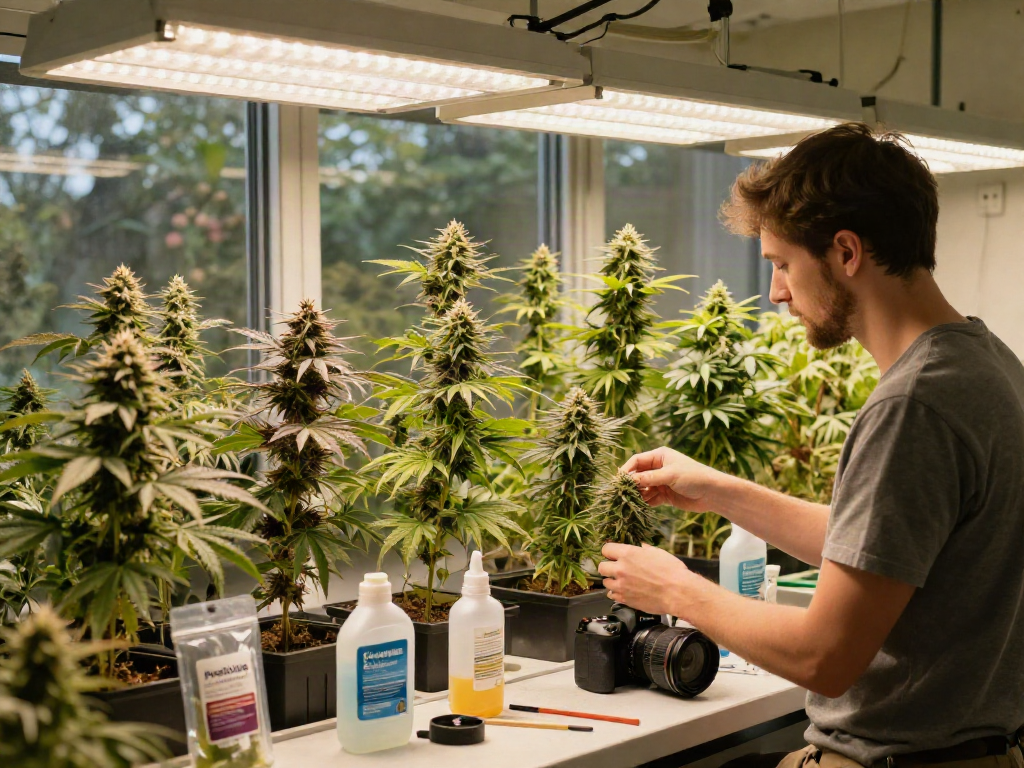
Understanding CBD: Health Benefits and Therapeutic Applications
The rising interest in wellness and natural remedies has prompted many individuals to explore the potential benefits of cannabidiol (CBD). As a non-psychoactive compound derived from the hemp plant, CBD is paving the way for a new frontier in health and wellness. Understanding how CBD interacts with the body and its potential therapeutic applications can empower consumers to make informed decisions regarding their health journey. When exploring options, online dispensary that ships to all states provides comprehensive insights into the available products and how they may suit individual wellness needs.
Introduction to Cannabinoids and Their Effects
Cannabinoids are naturally occurring compounds found in the cannabis plant, with CBD being one of the most prominent. Cannabinoids interact with the body’s endocannabinoid system (ECS), which plays a crucial role in regulating various physiological processes including mood, pain sensation, and immune responses. Unlike tetrahydrocannabinol (THC), CBD does not induce a "high," making it an appealing option for those wishing to experience the therapeutic benefits of cannabis without the psychoactive effects.
Potential Health Benefits of CBD
Research suggests that CBD may offer a variety of health benefits, including:
- Anxiety and Stress Reduction: Anecdotal evidence and preliminary studies indicate that CBD may help manage anxiety and improve mood by interacting with serotonin receptors in the brain.
- Pain and Inflammation Relief: CBD's anti-inflammatory properties may aid in reducing chronic pain, making it a popular choice for individuals suffering from conditions such as arthritis and fibromyalgia.
- Improvement in Sleep Quality: Many users report enhanced sleep quality and duration when using CBD, which may be linked to its ability to reduce anxiety and stress.
- Neuroprotective Properties: Research into the potential neuroprotective effects of CBD suggests it may benefit individuals with neurodegenerative diseases.
Therapeutic Uses in Various Conditions
CBD has drawn attention for its possible therapeutic applications in various health conditions. It may provide relief for individuals with:
- Chronic Pain: Conditions like chronic back pain and arthritis.
- PTSD and Trauma: Its anxiolytic effects may help manage symptoms related to PTSD.
- Epilepsy: The FDA has approved CBD as a treatment for certain types of epilepsy, validating its medicinal properties.
- Skin Conditions: Its anti-inflammatory properties may assist in treating conditions such as acne and psoriasis.
Exploring Different Product Types and Delivery Methods
As interest in CBD continues to grow, numerous product types and delivery methods have emerged in the market. Understanding these options can help individuals choose the most suitable form for their needs.
Oils, Tinctures, and Edibles
CBD oils and tinctures are among the most popular forms of CBD consumption, offering precise dosing capabilities and quick absorption, particularly when taken sublingually. Meanwhile, edibles like gummies and beverages provide a flavorful and enjoyable way to consume CBD, though they may have longer onset times due to metabolic processes.
Topicals and Their Applications
Topical CBD products, including creams, balms, and patches, are designed for localized relief, offering a transdermal delivery method that may provide targeted benefits for skin conditions and muscular discomfort.
Vaping: The Modern Delivery Method
Vaping CBD provides a rapid onset of effects, as the vapor is absorbed directly into the bloodstream through the lungs. This method has grown in popularity due to its convenience and efficacy, with options available in various formats including vape juices and cartridges. However, caution must be exercised regarding product quality and formulation.
Proper Dosage Guidelines for Effective Usage
Understanding Dosage Calculations
Determining the right dosage of CBD can vary significantly between individuals due to factors such as body weight, metabolism, and the desired effects. Starting with a low dose and gradually increasing it is often recommended, commonly referred to as the "start low and go slow" approach.
Titration Method for CBD Products
The titration method involves adjusting the dosage incrementally while monitoring the effects to find the optimal level for each individual. This personalized approach ensures effective usage tailored to personal health needs.
Factors Influencing Individual Dosage
Multiple factors influence how much CBD an individual may need:
- Body Weight: Generally, heavier individuals may require higher dosages.
- Individual Tolerance: Past experiences with cannabis can affect how one responds to CBD.
- Desired Effects: The condition being treated and the extent of its severity can dictate dosage levels.
- Administration Method: Different methods of consumption have varying bioavailability and onset times, influencing dosage needs.
Quality Assurance: Recognizing Good CBD
Importance of Third-Party Testing
Quality assurance in the CBD industry is paramount. Reputable brands often engage third-party laboratories to conduct testing, ensuring that their products are free from contaminants and are accurately labeled with respect to cannabinoid content.
Interpreting Certificates of Analysis (COA)
A Certificate of Analysis (COA) serves as vital documentation that details the results of the third-party testing. Consumers should look for COAs that verify:
- Potency levels, ensuring the product contains the advertised amount of CBD and other cannabinoids.
- Purity tests for contaminants, including pesticides, heavy metals, and solvents.
- Microbial testing, which checks for harmful bacteria or fungi.
Identifying Reputable Brands
Evaluating brands for quality involves several considerations:
- Transparency: Brands should provide easily accessible information regarding their sourcing and manufacturing processes.
- Reviews and Reputation: Customer feedback can provide insight into the product's efficacy and potential issues.
- Certifications: Look for products that are USDA Organic certified or adhere to GMP practices.
Legal Considerations and Safety Guidelines for CBD Products
Current Legal Landscape in 2026
The legal landscape surrounding CBD is continually evolving. Under the 2018 Farm Bill, hemp-derived CBD products with less than 0.3% THC are federally legal, but state-specific regulations can vary significantly. Consumers should verify local laws before purchasing.
Safety Precautions and Contraindications
Caution is always advised when using CBD products. Potential side effects may include:
- Drowsiness
- Dry mouth
- Digestive changes
Individuals currently taking medication, especially blood thinners or seizure medications, should consult with a healthcare professional prior to use to avoid adverse interactions.
Understanding CBD vs THC: Legal Implications
While CBD and THC originate from cannabis, CBD is generally considered legal when derived from hemp. However, products containing significant levels of THC can be subjected to different legal scrutiny and restrictions.
What are the potential side effects of CBD?
Although generally well-tolerated, CBD may cause side effects such as fatigue, changes in appetite, and diarrhea. The likelihood of experiencing side effects might be higher at higher doses.
How can I determine the best dosage for me?
Individuals may find it beneficial to start with low doses and gradually increase while monitoring effects. Consulting a healthcare professional familiar with CBD can also provide personalized recommendations.
Are there specific health conditions CBD can help with?
CBD and its efficacy have been researched in connection with various health conditions, including anxiety disorders, epilepsy, chronic pain, and even certain skin conditions. However, results can vary widely between individuals.
What to look for in a Certificate of Analysis?
When reviewing a COA, assess the following:
- Potency results against what is stated on the label.
- Absence of contaminants like pesticides or heavy metals.
- Presence of desired cannabinoids and terpenes.
How should I store my CBD products for longevity?
To maintain potency, CBD products should be stored in a cool, dark place, preventing exposure to heat, light, and moisture. Airtight containers can help in preserving quality over time.
Safety & Compliance
In the context of CBD usage, safety must be a priority. Consumers should always keep in mind the following guidelines:
Quality Control and Counterfeit Product Warnings
The rise in popularity of CBD has, unfortunately, led to the proliferation of low-quality or counterfeit products. Consumers should be vigilant in selecting brands that adhere to rigorous quality control measures, including COA certifications and transparent business practices.
Conclusion
The journey into the world of CBD can be both exciting and daunting. With a wealth of information available, understanding the potential benefits, various delivery methods, and crucial safety guidelines transforms how individuals engage with these products. As regulations continue to evolve and research delves deeper into the therapeutic applications of CBD, staying informed will empower consumers to navigate their wellness paths effectively. Whether for managing chronic pain, anxiety, or simply enhancing overall well-being, CBD offers new possibilities that warrant exploration.